Mixing Technology
 Environmental friendly
 Lithium battery
 Chemical Industry
 Catalyst
 Ceramic
 Medical Food
 Metallurgy
 Carbon
 Fertilizer
 Building materials
 Foundry Sand
 Welding Flux
 Glass
Glass Refractory
Core Advantages and Application Value of Intensive Mixers in Lithium Battery Material Processing
Release time : 2026-01-30
Core Advantages and Application Value of Intensive Mixers in Lithium Battery Material Processing
With the rapid growth of the new energy industry, lithium battery materials are subject to increasingly stringent mixing requirements. Poor dispersion, severe agglomeration, and batch inconsistency can directly affect battery performance. Thanks to their structural and control advantages, intensive mixers have become essential equipment in lithium battery material processing.
I. Structural Design Optimized for Lithium Battery Materials
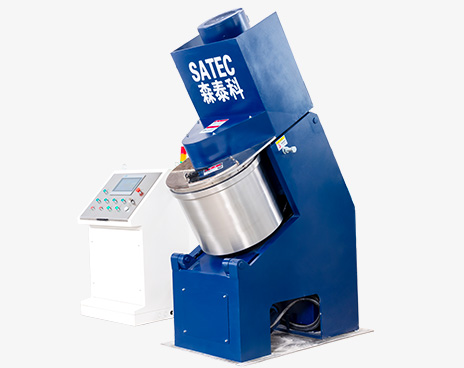
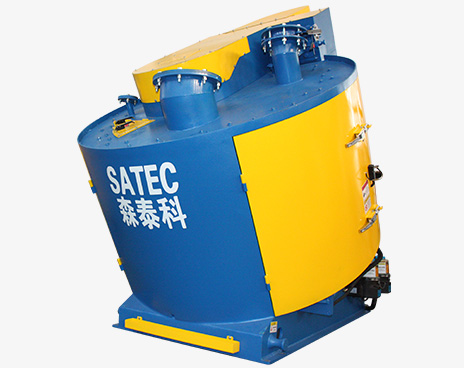
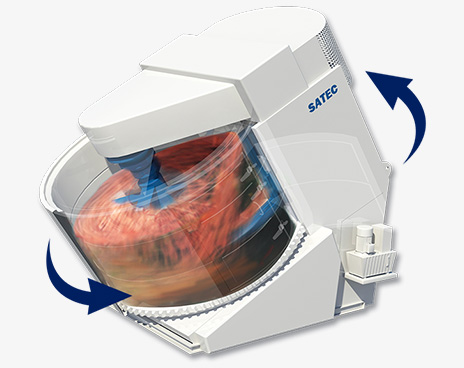
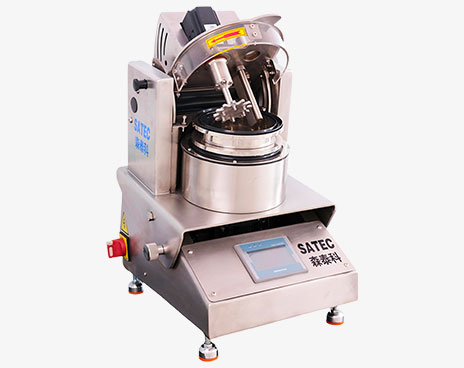
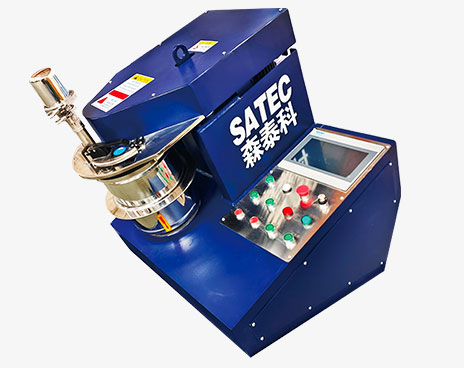
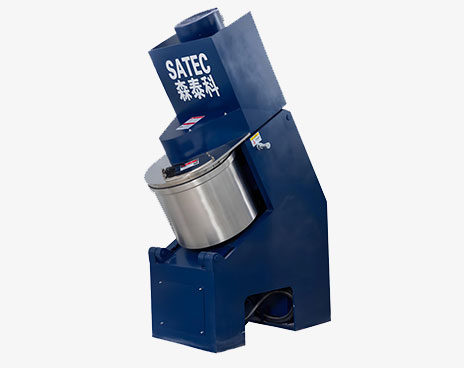
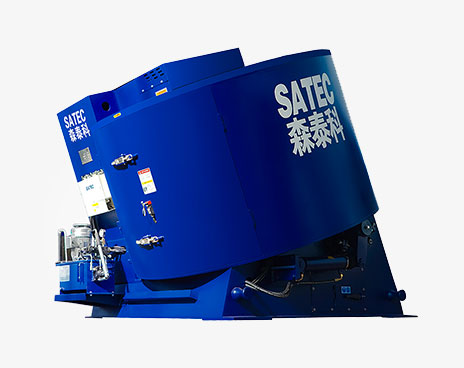
Intensive mixers adopt an inclined mixing pan combined with a high-shear rotor structure, enabling high-intensity mixing of powders within a short time. This design is particularly suitable for lithium battery materials with high specific surface area and strong adhesion.
II. Vacuum Mixing Enhances Material Performance
During the production of lithium iron phosphate (LFP) and ternary cathode materials, vacuum mixing effectively reduces oxidation and moisture interference while ensuring uniform dispersion of conductive additives. In practice, this results in a more stable conductive network and significantly improved battery energy density.
III. Advantages in Graphite Anode Granulation
With customized shear blade designs, intensive mixers can process natural graphite into near-spherical particles, improving tap density and flowability. This leads to better performance during coating and compaction processes.
IV. Intelligent Control Supports Large-Scale Production
The ability to preset multiple process curves allows intensive mixers to quickly switch between different formulations and operating conditions, significantly reducing changeover time and improving production line flexibility.
Conclusion
As lithium battery materials continue to evolve toward higher energy density and greater consistency, intensive mixers have become a key technological enabler for improving material performance and production efficiency.
Related content
Intensive Mixers for Refractory Materials
2026-01-15
satec intensive mixer
2026-01-16
Main Features of Foundry Sand Mixers
2026-01-30
Key Features of SATEC Foundry Sand Mixers
2026-03-05
QINGDAO SATEC ELECTRO-MECHANICAL TECHNOLOGY CO., LTD
24-Hour Service Hotline: 400-967-1990
Email:info@satecmix.com
Qingdao Headquarters:
Tel: +86 0532-87785677
Address: North End of Haier Avenue, Jiaozhou, Qingdao, SATEC, Qingdao, China
Related links
About us Technology/Products Industries Whole Plant Design Test Center News Contact usFollow us
 WeChat official account
鲁ICP备17014221号-1
© 2025 QINGDAO SATEC ELECTRO-MECHANICAL TECHNOLOGY CO., LTD